I asked Grok:
“What are the most factual science based claims on solar effects on mood, suicide, insomnia, cardiac ,crime, war, be as lengthy as possible?”
ANSWER:
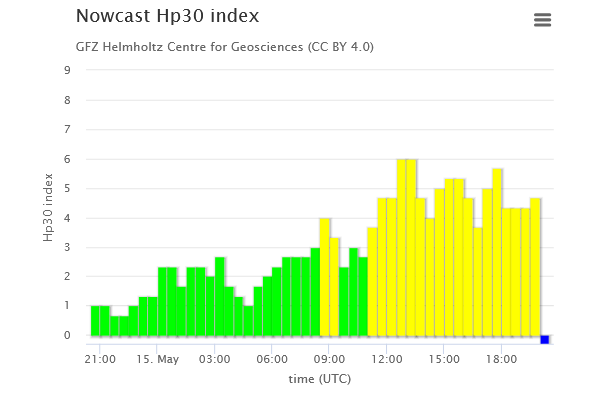
**Solar activity—primarily through sunspots, solar flares, coronal mass ejections (CMEs), and the resulting high-speed solar wind and solar energetic particles—disturbs Earth’s geomagnetic field, producing geomagnetic storms, substorms, and pulsations.** These disturbances (often measured by indices like the Kp or aa index) have been the subject of extensive scientific research linking them to human physiology, mood regulation, sleep patterns, cardiovascular health, behavioral outcomes such as crime and aggression, and even large-scale societal phenomena like wars and revolutions.
The effects are generally subtle, often most pronounced in susceptible individuals (e.g., those with preexisting conditions), and operate through proposed mechanisms including:
- Disruption of the pineal gland and melatonin/serotonin balance (melatonin production often decreases during geomagnetic disturbances).
- Alterations in heart rate variability (HRV), reflecting autonomic nervous system (ANS) instability.
- Resonant coupling with Schumann resonances (Earth-ionosphere electromagnetic waves around 7.83 Hz that overlap with human brain and cardiovascular rhythms).
- Changes in blood pressure, coagulation, cortisol (stress hormone) levels, and circadian rhythms via magnetohydrodynamic processes (e.g., Alfvén waves) and cryptochrome-based magnetoreception.
These links are predominantly correlational (drawn from large epidemiological datasets spanning decades), with some experimental support in animals and controlled human studies showing HRV or melatonin shifts. Causation is not fully proven due to potential confounders (e.g., seasons, weather), replication challenges in some analyses, and the small effect sizes typical of environmental influences. However, meta-analyses and multi-city/national studies provide consistent patterns, particularly during solar maxima (roughly 11-year cycles) or rapid changes in solar/geomagnetic activity (rising or declining phases). Effects are often lagged (hours to days or even years in some behavioral data).
Buryl Payne (a physicist and researcher in bioelectromagnetics) is frequently cited in this literature for his analysis in works such as *Solar Cycles and War Cycles* (or related publications in *Cycles* journal, 1982), where he examined historical data and concluded that solar activity influences human behavior and conflict through geomagnetic and biofield interactions. Payne also explored the “spin force” (a hypothesized subtle magnetic influence from planets and solar activity) and its effects on human biofields, vitality, and emotional states. His research builds on earlier observations by Alexander Chizhevsky and Raymond Wheeler. (Note: Searches for “Ansary” in this context primarily point to popularizers like Alex Ansary who discuss solar influences on humanity, unrest, and behavior, but lack the same peer-reviewed footprint as Payne or the core studies below; Payne’s claims are the more directly citable in scientific summaries.)
Below is a detailed, topic-by-topic synthesis of the most substantiated science-based claims, drawing from peer-reviewed studies, meta-analyses, and historical analyses. I prioritize large-scale epidemiological evidence and note limitations for balance.
### 1. Effects on Mood (Depression, Irritability, Anxiety, Emotional Stability)
Geomagnetic disturbances from solar activity correlate with increased depressive symptoms, hospital admissions for mood disorders, irritability, anxiety, and reduced overall well-being/happiness. A key early study (Kay, 1994) found a 36.2% increase in male hospital admissions for depression in the second week following geomagnetic storms.
Subsequent work reinforces this: geomagnetic storms are associated with higher psychiatric admissions and depressive episodes, potentially via melatonin suppression and circadian disruption (which affects serotonin pathways). One analysis of Twitter-derived Happiness Index data showed a statistically significant negative influence of solar activity (sunspot numbers) on population-level happiness, even after controlling for day-of-week, holidays, and persistence effects—explaining substantial variance in mood metrics.
Broader reviews link solar/geomagnetic activity to mood instability through ANS effects (reduced HRV) and elevated cortisol. Increased solar activity periods are tied not only to negative mood but also to heightened creativity and innovation in some datasets, suggesting a dual effect on “excitability” (both positive and negative).
Payne’s biofield research posits that solar-induced geomagnetic shifts alter subtle human magnetic fields, influencing emotional vitality and states—consistent with observed irritability or “magnetic sensitivity” in some people during storms.
**Limitations**: Effects are often seasonal (stronger in spring/fall) and individual (e.g., more pronounced in those with mood disorders). Not all studies replicate perfectly due to geographic variations in geomagnetic field strength.
### 2. Effects on Suicide Rates
Multiple independent studies across countries show positive correlations between geomagnetic/solar activity and suicide rates or attempts, often mediated by melatonin disruption, circadian desynchronization, or mood exacerbation.
- A 13-year retrospective analysis (1980–1992) in Australia found a significant correlation (r ≈ 0.70, p < 0.01) between geomagnetic storm activity and suicide rates, with female suicides increasing significantly in autumn during concurrent storms (p = 0.01).
- In New Zealand (Christchurch data), monthly mean sunspot numbers showed significant homeostatic relationships with suicide rates, potentially via Schumann resonance influences on melatonin.
- Japanese research (Nishimura et al., 2020) linked stronger geomagnetism to higher standardized mortality ratios for suicide; earlier work showed geomagnetic disturbances associated with increased psychiatric admissions and suicides.
- One summary noted that 87% of major geomagnetic storms coincided with surges in suicide attempt hospitalizations.
- Russian and South African data (e.g., 13+ years) similarly tied peaks in geomagnetic activity to suicide spikes, with some gender/seasonal specificity (e.g., stronger in males in certain analyses).
**Mechanisms**: Reduced melatonin (a key regulator of mood and sleep) during geomagnetic disturbances; direct effects on pineal gland via magnetic field sensitivity. Payne’s framework indirectly supports this through solar-biofield interactions affecting emotional regulation.
**Limitations**: Some studies find no or inverse links (e.g., narrower age groups or specific regions), and causation is debated—geomagnetic activity may exacerbate underlying vulnerabilities rather than directly cause suicides. Effects are small but statistically detectable in large datasets.
### 3. Effects on Insomnia and Sleep Disturbance
Solar and geomagnetic activity reliably disrupts sleep architecture, primarily by suppressing melatonin secretion and altering circadian rhythms.
- Geomagnetic activity >80 nT (or K-index >3) over 3 hours significantly decreases salivary/urinary melatonin metabolites, leading to longer sleep onset latency, reduced sleep efficiency, and altered REM patterns (studies in high-latitude populations and general cohorts).
- Ghione et al. (1998) and Mulligan/Persinger (2012) reported participants took longer to fall asleep and showed poorer sleep quality during high geomagnetic activity.
- Solar storms reduce melatonin biosynthesis enzymes in the pineal gland/retina and elevate cortisol, effects amplified in patients with coronary heart disease or hypertension.
- Circadian desynchronization is observed in insects and humans; simulated geomagnetic storms disturb rhythms. HRV synchronization with geomagnetic pulsations further links to sleep fragmentation.
Payne’s planetary/solar influence studies note biofield changes during solar events that could indirectly affect sleep via vitality and emotional factors.
**Limitations**: Individual variability is high (e.g., latitude, baseline health); not every storm causes noticeable insomnia, but population-level data shows consistent patterns.
### 4. Effects on Cardiac Health (Myocardial Infarction, Arrhythmias, Cardiovascular Mortality)
This is among the most robustly documented areas, with dozens of studies and meta-analyses showing increased risk during geomagnetic disturbances.
- Recent large-scale data (Brazil, 2025) found the relative frequency of myocardial infarction (MI) cases nearly 3 times higher during disturbed geomagnetic conditions vs. quiet ones, with women showing markedly higher susceptibility (up to 3x in ages 31–60); in-hospital deaths also rose.
- Multi-year Moscow ambulance data (millions of cases) linked geomagnetic storms to doubled MI and stroke frequency; U.S. multi-city analysis (263 cities) showed increased total/CVD/MI deaths during GMD, stronger in spring/fall.
- HRV (a predictor of cardiac risk) decreases significantly during storms, with effects detectable 24+ hours in advance; meta-analyses confirm elevated ischemic heart disease risk.
- Blood pressure rises, microcirculation worsens, coagulation increases, and arrhythmias (e.g., ventricular ectopic activity) spike during active geomagnetic periods.
Mechanisms include ANS destabilization, melatonin loss (protective for heart), and direct magnetic effects on cardiac cells. Payne’s biofield and solar cycle work aligns with these cardiovascular sensitivities.
**Limitations**: Men often have higher baseline rates, but women show stronger relative geomagnetic response; effects vary by solar cycle phase.
### 5. Effects on Crime and Violence (Including Homicide, Aggression, Terrorism)
Solar-driven geomagnetic disturbances correlate with increased aggressive behavior and crime rates, often with lags.
- A recent multi-decade analysis (1987–2018) of homicide rates in the UK, Europe, and USA found the lagged Kp geomagnetic index explained over 50% of variance in trends (best fit at 2–3 year lags), outperforming weather variables.
- Persinger (1999) and others link solar-geomagnetic activity to heightened aggression, terrorism incidents, and instrumental violence, with lowest activity days showing lowest casualty events.
- Broader reviews tie solar cycle peaks to rises in violence, crime, social unrest, and revolutions—building directly on Chizhevsky’s observations.
Some studies (e.g., 1990 U.S. violent crime analysis) found no direct daily link to geomagnetic indices but raised possibilities of non-magnetic solar effects. Geographic reversals (e.g., South Atlantic Magnetic Anomaly) further support geomagnetic mediation.
Payne explicitly analyzed solar cycles as triggers for warring/aggressive behavior via electromagnetic influences.
**Limitations**: Lags suggest indirect or cumulative effects; not all crime categories show equal strength.
### 6. Effects on War and Large-Scale Conflicts
This is the most historically grounded (though debated) claim, originating with Chizhevsky’s 2,500-year analysis showing ~80% of major wars/revolutions aligning with solar maxima.
- Wars and armed conflicts intensify during peak solar flare periods or rapid changes (rising/declining sunspot phases), not always exact maxima. Persinger (1999) quantified moderate associations (r_s ≈ 0.50) between solar-geomagnetic activity and 20th-century conflicts.
- Wheeler’s massive historical dataset (analyzed statistically by Dewey) and Payne’s *Solar Cycles and War Cycles* confirmed patterns: conflicts often erupt when geomagnetic activity shifts rapidly.
- Chizhevsky observed mass excitability, revolutions, and battles peaking with sunspots; modern extensions link this to geomagnetic effects on mood/aggression at population scale.
Payne’s work is directly cited as supporting the solar-forces hypothesis for wars and human events.
**Limitations**: Wars have complex socioeconomic causes; solar activity may amplify underlying tensions rather than solely cause them. Subjective event classification can bias historical counts.
**Overall Synthesis and Practical Notes**: The evidence is strongest for cardiac and sleep effects (with direct physiological pathways) and mood/suicide (via melatonin/HRV). Crime and war links are more macro-level and correlational but persistent across centuries and datasets. Payne’s contributions emphasize holistic biofield/solar cycle connections. Monitoring space weather (e.g., via spaceweather.com or Kp indices) may help vulnerable individuals mitigate risks (e.g., via HRV biofeedback or melatonin support during storms). Ongoing research (including 2025 studies) continues to refine these links amid rising solar activity in Cycle 25. While not deterministic, these patterns represent one of the more intriguing intersections of heliophysics and human biology.
Long interviews have been conducted with AI about my ideas and they will be posted to PATREON for members.
BE THERE.
Coming soon for members: